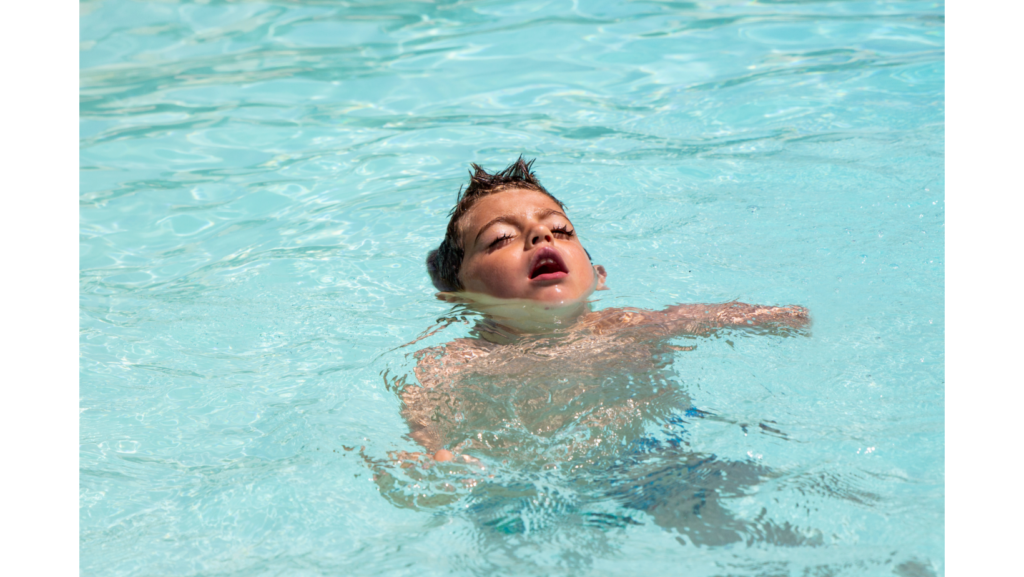
Drowning is the third leading cause of unintentional death in Australia’s children ages 1 to 14 years old.
Immediate and effective first aid treatment is essential during a drowning incident. Read on to learn the risks and prevention for this emergency.
Drowning Statistics In Australia
According to a 2020 report, the total drowning deaths in Australia within the past ten years have reached 752 incidents. It represents a crude rate of 2.9% per 100,000 population.
Most drowning incidents happen in home swimming pools. Small children are at higher risk as they are naturally curious, fast, and quickly goes into the water without understanding how dangerous it may be.
To prevent accidental drowning, know the causes and preventative measures to take.
6 Most Common Causes Of Drowning
1. Lack Of Swimming Ability
The inability to swim is the most common cause of drowning. Many adults and children will try to get into the water without proper training in swimming.
Proper water safety and swimming lessons can significantly decrease the risk of drowning.
2. No Pool Barriers
A solid fence that separates the pool area from the house reduces drowning risks by 83%. It will serve as a barrier with a locking mechanism that prevents wandering children from entering the swimming pool.
3. Lack Of Supervision
Drowning can occur anywhere there is water. Never leave a small child alone in or near a pool, bathtub, or even a bucket of water. A lifeguard or a supervising adult should always be around.
4. Failure To Wear Life Jackets
On average, 49 Australians drown while using boats and watercraft every year. Wearing life jackets and safety vests can reduce that risk.
Each person on the boat should have life jackets as we never know when an accident could occur.
5. Alcohol Intake
Alcohol use is responsible for about 70% of water-related deaths.
Excessive alcohol intake can affect balance, coordination, judgement, and basic motor skills. Avoid drinking before and during swimming, boating, or doing some water activities.
6. Lack Of First Aid Training
First aid plays a vital role in improving drowning outcomes. Minimize the number of casualties by learning the very basics of life-saving techniques such as CPR.
First Aid Steps For A Drowning Victim
Here are steps to take when helping a drowning victim:
1. Get The Person Out Of The Water
The priority is to get the drowning child or adult out of the water as quickly as possible.
2. Open The Person’s Airway
Gently tilt the person’s head with one hand and lift the chin using the other. Look, listen, and feel for any signs of breathing.
3. Perform CPR
If no signs of breathing, immediately begin CPR while having someone call for help. Give chest compressions and rescue breaths alternatively.
Wait for the person’s chest to rise and fall before doing it again.
4. Stay With The Person Until Help Arrives
Never assume it is too late to save a person’s life. Continue performing CPR and do not stop until emergency help takes over.
Prevention
- Use barriers or fences around the pool
- Supervise children, non-swimmers, and the elderly around water, including baths and pools.
- Place a lifeguard in all possible swimming areas.
- Learn first aid to recognize signs of drowning and how to perform CPR.
- Learn how to swim and practice the buddy system. Never swim alone.
- Know the water depth when spending time in oceans, lakes, and rivers. Research about its temperature and learn whether any dangerous currents exist.
- Have rescue materials and a phone to call emergency serves nearby when swimming.
Conclusion
Keep everyone safe by practising safety rules, participating in formal swimming lessons, and learning First Aid. Knowing when and how to perform resuscitation can save a person’s life. Remember that CPR helps a person restore breathing in a drowning emergency.
Enrol in first aid and CPR course today.