Thousands of Australians suffer from sudden cardiac arrest every year. With these numbers, it is essential to learn first aid for a cardiac emergency.
What Is A Cardiac Arrest?
Cardiac arrest is a medical emergency that occurs when the heart suddenly stops beating, preventing the blood flow throughout the body.
The heart’s normal function is to receive an electric signal that controls its rhythm. Disruptions to these signals can result in irregular heartbeats, known as arrhythmias. It may cause mild to moderate symptoms and cardiac arrest in severe cases.
A person in a cardiac emergency may stop breathing and lose consciousness almost immediately. It is vital to take action within the first few minutes. Without first aid, cardiac arrest will be fatal.
The most common cause of cardiac arrest is ventricular fibrillation or VF. In such conditions, the heart’s electrical activity becomes erratic, causing the organ to quiver or fibrillate then alter its normal function.
Ventricular fibrillation is caused by many heart problems, including heart attack, coronary artery disease (CAD), heart failure, and abnormal heart rhythms. VF can also happen due to suffocation or choking, electrocution (electrical shock), bleeding or loss of blood, drowning, substance overdose, and severe allergic reaction.
Here, we explore the signs, symptoms, and causes of a cardiac arrest and explain the first aid steps in a cardiac emergency.
Signs And Symptoms
The first sign of a cardiac emergency is the immediate loss of consciousness or fainting. The person may also have no detectable heartbeat or pulse.
Other symptoms may also happen before losing consciousness, including:
- Sudden dizziness
- Blurred, hazy vision
- A racing heartbeat
- Shortness of breath
- Chest pain
- Nausea – with or without vomiting
Sudden cardiac arrest often occurs without any warning. It is different from a heart attack which usually exhibits soft signs.
Though the two conditions are different, people who have had previous encounters with heart attacks have a higher risk of experiencing a cardiac arrest.
First Aid For Cardiac Emergency
A person in a cardiac emergency has a low chance of survival unless the blood starts pumping and the body gets oxygen supply immediately.
Follow these first aid steps in a cardiac emergency.
Call For Help
Dial triple zero (000) and ask for an ambulance. Tell the emergency services that a person has a cardiac arrest and provide helpful information such as the suspected time start and the symptoms involved.
Begin High-quality CPR
Cardiopulmonary resuscitation or CPR involves rescue breathes (mouth-to-mouth) and chest compression.
If the person is not showing any signs of breathing or does not respond to any stimulation, begin CPR. CPR training is preferred for a better outcome in a cardiac emergency.
Use A Defibrillator
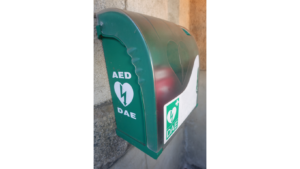
The first responder should prioritize CPR, while the second rescuer or other bystanders should contact emergency services and retrieve an AED.
AED or Automatic External Defibrillator is a portable device that can determine an abnormal heart rhythm. The device will then deliver an electric shock (defibrillation), which may cause the heart to start beating again.
Continue Monitoring
Continue administering CPR until the person starts breathing or showing movements and response. Monitor their condition until emergency services are ready to take over.
After receiving first aid care, a person suspected of cardiac arrest will need to go to the nearest emergency room. Doctors and health professionals will monitor the symptoms and recommend some medications to help lower the risk of another cardiac emergency.
Without receiving CPR and first aid care in the first few minutes, it is unlikely that the person will survive an attack.
Without the successful accomplishment of each of these steps, it is unlikely that a person will survive.
Prevention
Reduce the risks of cardiac arrest by implementing a healthy lifestyle good for the heart. Adopt a nutritious, balanced diet, engage in regular physical activities, and avoid smoking. Maintaining a healthy weight is also essential.
People with a history of this condition may also require regular medications to prevent or reduce the risks. Doctors may suggest prescription drugs that help lower blood pressure or manage cholesterol levels. Always follow a treatment plan advised by your doctor.
Conclusion
Keep in mind that a cardiac emergency is a real life-threatening condition. Moreover, a cardiac arrest can result in death in a matter of minutes. Immediate first aid care is of prime importance.
Learn first aid for someone who may be having a cardiac arrest. For more information, contact us at courses@firstaidpro.com.au, and one of our staff will be happy to assist you.