A common question we receive from students is why first aid training courses change so often.
When it comes to all things first aid, the Australian Government Skills Authority (ASQA) is the national regulator that oversees any changes to be made.
When there are updates, it is the ASQA’s job to have all registered training organisations (RTOs) update their first aid certification courses.
Changes To First Aid Training Courses
First aid training is updated to reflect current regulations and industry requirements. It is to ensure that those individuals and businesses who hold a Statement of Attainment (“First Aid Certificate”) have the skills, knowledge, and competency to respond and sustain life in the event of an emergency.
The changes are in line with the national guidelines to:
- Better reflect the industry’s best practices and current regulations
- Ensure that the scope reflects within the industry’s expectations
- Ensure specific areas are met (e.g., asthma, anaphylaxis, etc.)
- Address the role of mental health in the provision of first aid
Why Updating Your First Aid Training Is Important?
First aid training could be one of the most important courses you have ever taken. In case of an emergency, you will be equipped with the skills, knowledge, and confidence to step in and save lives.
Regardless of your profession, industry, age, or status, having a thorough understanding of first aid is something you can benefit from.
A lot has changed over the years. Even if you took a formal training course a couple or a few years ago, there have likely been changes and updates since then.
As with any other training, updating your skills and knowledge is vital. In today’s modern, fast-paced society, we are constantly learning and improving in the things we do. And this includes first aid.
4 Reasons To Renew Your CPR And First Aid Training
Keeping on top of these lifesaving skills is essential for several reasons. These include:
1. Stay Up To Date
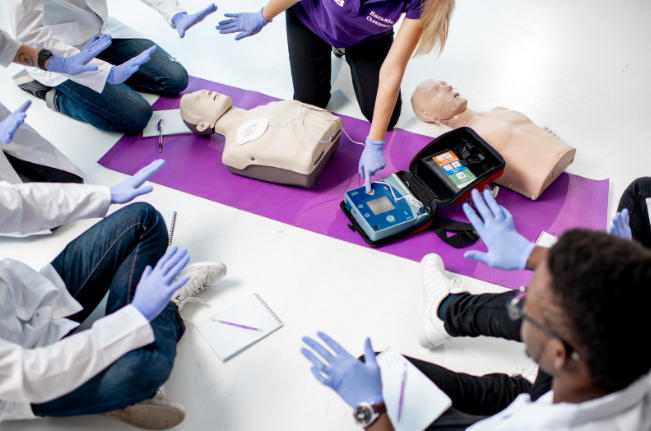
Enrolling in first aid recertification courses ensures you stay up to date on lifesaving techniques and best practices. Throughout the training, you will see what changes since your last course, and the instructor will teach you to administer these procedures in the most current and effective way.
Thanks to continuous research and advancements in this field, the way we provide first aid looks different from years past.
2. Refresh Skills And Knowledge
Even if only a few details have changed since your last training, there is a high chance that you forget little things if you do not practice these skills regularly.
Keep your CPR and first aid skills fresh by taking renewal classes. Refresher courses are recommended within three years’ time and every 12 months for the CPR component.
3. Stay Confident
It is one thing to know the proper techniques, but it is another to have the confidence to step up and apply these skills in an emergency.
Taking refresher courses regularly ensures you will have the confidence (along with first aid skills) to act quickly and effectively when faced with a potentially stressful situation.
4. Save Lives
Knowing first aid and CPR prevents the situation from getting worse and potentially save someone’s life.
First aid intervention preserves the individual brain and heart function, which increases their chances of survival.
Get Trained
For anyone who previously attained first aid training, it is important to update your skills and take a recertification course.
At First Aid Pro, we teach our students relevant and up-to-date information on CPR, AED, and all things first aid. No matter where you are in Australia, we have your first aid training needs covered.
Find the nearest location and get signed up for a first aid course today.