Keep Your Family Safe With First Aid Training
Falls, burns, and accidental poisoning are some of the common first-aid injuries among families
Falls, burns, and accidental poisoning are some of the common first-aid injuries among families
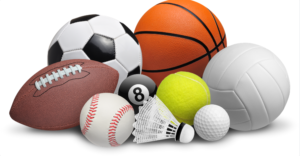
First aid is an important tool in responding to sports-related accidents to ensure that injuries are dealt before medical services arrive.
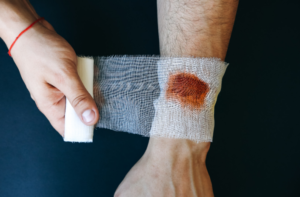
Bleeding (or haemorrhaging) often occurs after an injury or due to a disease, causing damage to the blood vessels.

A tetanus shot (vaccine) may be a requirement after a traumatic injury resulting in broken skin.
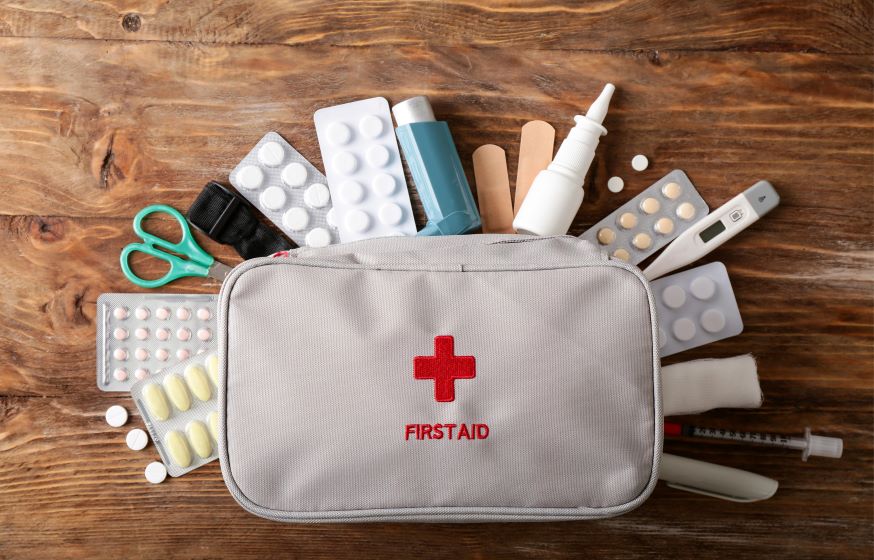
Having a well-stocked first aid kit is all about being prepared for unexpected emergencies that
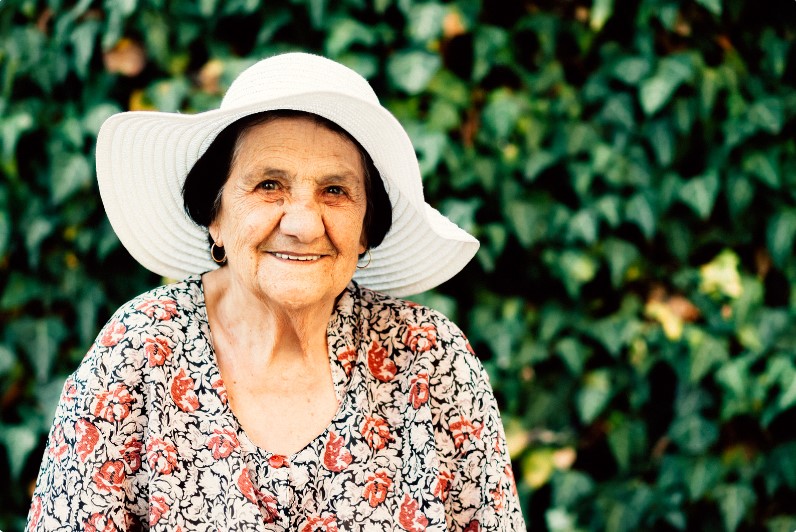
The Importance of First Aid for Aging Population: As we age, our bodies become more susceptible to injury and illness.
The Role of First Aid in Disaster Preparedness: Natural disasters can strike anytime, anywhere, and often without warning.
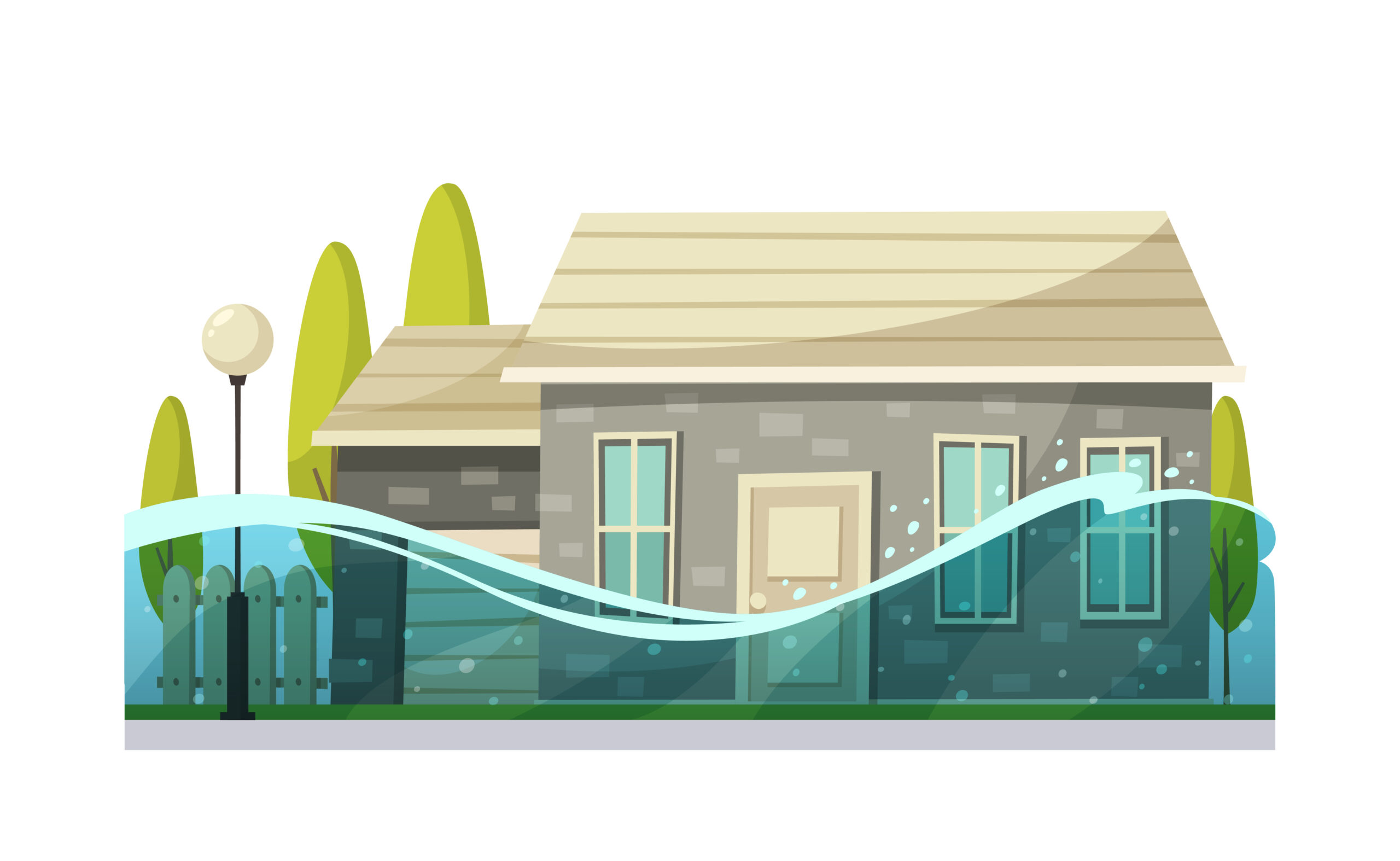
First aid guide on flood preparedness: Flood ranks the second most deadly natural disaster in Australia after heatwaves.
8 Workshop Hazards: Workshops are hazardous environments that pose many risks to workers.