First Aid For Broken Bones And Fractures
Broken bones (or fractures) are a common injury after a traumatic event that requires immediate medical care.
ACCREDITED: SPECIAL OFFER:
WORKPLACE & CORPORATE BOOKING CLICK HERE
Broken bones (or fractures) are a common injury after a traumatic event that requires immediate medical care.
Heart attack symptoms are not always as unmistakeable as people expect them to be. They
Workplace first aid carries legal weight in Australia. Every business owes the same core duty: make sure someone on site can respond when a worker or visitor is injured or falls ill. What that response looks like varies, and getting it wrong leaves your organisation exposed, both to regulators and to the real human cost of a delayed or absent first aid response.
Meningitis occupies a particular place in the minds of Australian parents. The condition is rare enough that most families will never encounter it, but serious enough that missing the signs carries consequences no one should have to face. The illness moves on its own timeline, and the symptoms it produces in its early hours often resemble infections that pass within days without any treatment at all.
Concussion first aid steps matters because a bump or blow to the head can happen
Hand injuries are common in everyday life. Our hands are always in the firing line, absorbing impacts and performing repetitive tasks for hours on end. The same structures that give them precision and strength also make them vulnerable to damage. Wrist bones can fracture, ligaments can tear, and tendons can rupture. Each type of hand injury behaves differently and demands a different first aid response.
Injuries are an unfortunate part of the game, but when they happen football first aid keeps your fellow players safe and puts them back on the road to recovery. There’s more to football first aid than just having a first aid kit ready on the sidelines, proper football first aid means knowing what to do as well as how to use the items in your kit.

How Often Should You Renew First Aid Training: It is not enough to undergo a first aid training course only once in your lifetime.
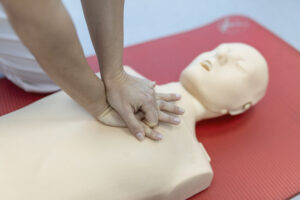
Pain management is a simple but effective technique anyone can learn to improve their quality of life. Whether you experience pain chronically and require constant management, or if you just want to be able to deal with a headache or a stubbed toe quickly and definitively, you have more control over your pain than you might realise.

5 Serious Emergencies When CPR Is Needed: Knowing CPR and first aid basics are the best way to know what to do if a medical emergency happens to you, a loved one, or even a stranger.

Mental illness symptoms challenge millions of Australians every year. Yet recognising mental illness symptoms isn’t always straightforward. Sometimes it can be easy to spot the signs, but other times mental illness symptoms are virtually invisible. What can sometimes seem like just a rough patch might in fact be the sign of something much more serious underneath the surface.
With group first aid training when an accident happens at work you don’t just have one person, but a whole team who can respond to save your colleague’s life. Rather than having each member of your staff go get trained in their own time, we can bring our range of nationally accredited first aid courses straight to your workplace.
Whether you’re a pet owner or a bushwalker, animal bite first aid could save your life. While most Australian animal encounters are positive, when things go wrong, you need to know how to act.
Thousands of Australians face emergencies every day where knowing CPR and first aid could be the difference between life and death. From sudden cardiac arrests, to choking, to allergies and anaphylaxis, these moments demand confident action backed up by first aid knowledge and certified training. Our comprehensive CPR and first aid training course delivers these knowledge and skills, transforming ordinary people into heroic emergency responders.
Severe bleeding is the number one cause of preventable death, with victims loosing their lives in a matter of minutes unless someone can stop the bleed. First aid training empowers ordinary people to go from bystander to hero by giving them the life-saving skills to stop bleeding before emergency medical help arrives.
Choosing a childcare provider is one of the most significant decisions parents will ever make for their child. Whether you are looking at an approved childcare service, a family day care, or an outside school hours care facility, the health, safety, and early learning development of your child depend on this choice.
Workplace electrocution remains one of the most serious hazards across Australia. If you witnessed a case of electrocution at work, would you know what to do?
Injuries from falls are among the most common workplace incidents, especially for those in construction where working at heights safety measures are part of daily life. Falls from height are among the leading causes of workplace fatalities globally. In Australia, unintentional falls were responsible for 6,698 deaths in 2022-23, representing 43% of all injury-related deaths. In the workplace, the risks are just as severe. Falls from one level to another caused 29 worker fatalities in 2023, making up 15% of all work-related deaths.
Ensuring child safety starts by identifying possible risks and taking necessary actions to prevent them.
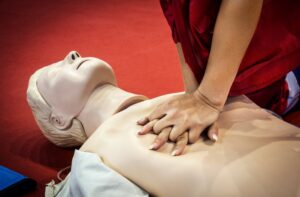
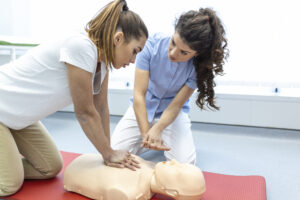
Cardiopulmonary resuscitation, or CPR, is a common and well-known procedure when providing first aid.
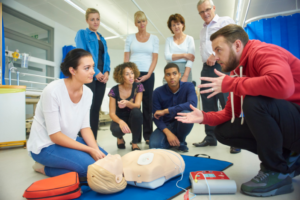
Broken bones (or fractures) are a common injury after a traumatic event that requires immediate medical care.
Heart attack symptoms are not always as unmistakeable as people expect them to be. They
Workplace first aid carries legal weight in Australia. Every business owes the same core duty: make sure someone on site can respond when a worker or visitor is injured or falls ill. What that response looks like varies, and getting it wrong leaves your organisation exposed, both to regulators and to the real human cost of a delayed or absent first aid response.
Meningitis occupies a particular place in the minds of Australian parents. The condition is rare enough that most families will never encounter it, but serious enough that missing the signs carries consequences no one should have to face. The illness moves on its own timeline, and the symptoms it produces in its early hours often resemble infections that pass within days without any treatment at all.
Not every medical emergency arrives with sirens and flashing lights. Sometimes the signs are subtle,