How To Deal With Chronic Pain?
Millions of Australians suffer from chronic pain. Estimates show that one in five people experience persistent, ongoing pain.
Millions of Australians suffer from chronic pain. Estimates show that one in five people experience persistent, ongoing pain.
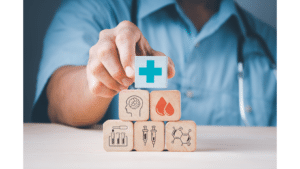
The primary goals of first aid are often known as the ‘Three Ps.’ However, the other two are almost as important.

CPR is an emergency procedure used to kick-start a person’s heart that stops beating.
Thousands of Australians suffer from sudden cardiac arrest every year. With these numbers, it is
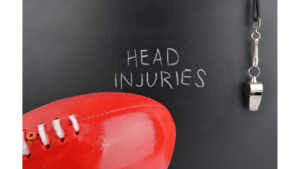
Head injury can result in bleeding, torn tissues, and brain damage. People should take it seriously as it can cause long-term complications or death.
Sleep deprivation is a common health problem in Australia. Inadequate sleep can lead to poor health and low function.

February is the heart health awareness month in Australia, aiming to raise awareness on health-related diseases.
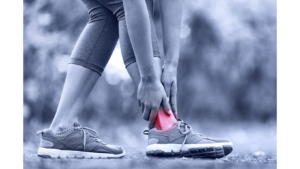
Running injuries still happen. Besides muscle cramps and scrapes, few risks can take a person out of the game.
The 12 Months of Emergency Preparedness help people have an emergency plan in place by the end of the year.
Protect oneself and others from carbon monoxide poisoning by learning the symptoms, emergency care, and prevention.

In this article, we will tackle the common soft signs of heart attack along with first aid treatment.
A child’s developing brain is at higher risk than an adult. Parents must know the warning signs of concussion in children.
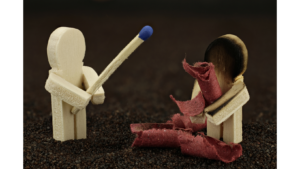
Fireworks injuries have been on the rise in the past years, causing short-term or long-term disabilities.
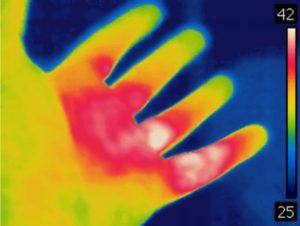
Burns are a common cause of injury, with over 5000 cases (or 0.4 per 100,000 population) occurring in Australia every year.
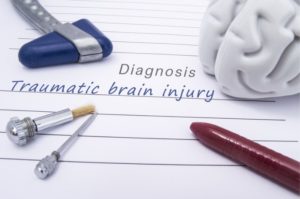
Traumatic brain injuries (TBI) occurs when a person suffers from a bump, blow, or jolt to the head that disrupts normal brain function.
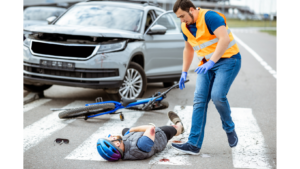
Thousands of people die and go to hospital emergency departments every year because of common injuries.
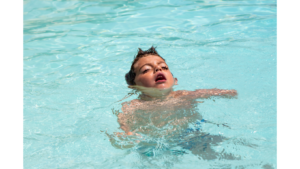
Drowning is the third leading cause of unintentional death in Australia’s children ages 1 to 14 years old.
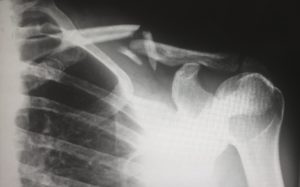
Broken bones (or fractures) are a common injury after a traumatic event that requires immediate medical care.

Here are the top 10 most dangerous industries in Australia claims about 170 recorded deaths in 2015.
Immediate care is necessary if someone is having symptoms that could indicate a heart attack.
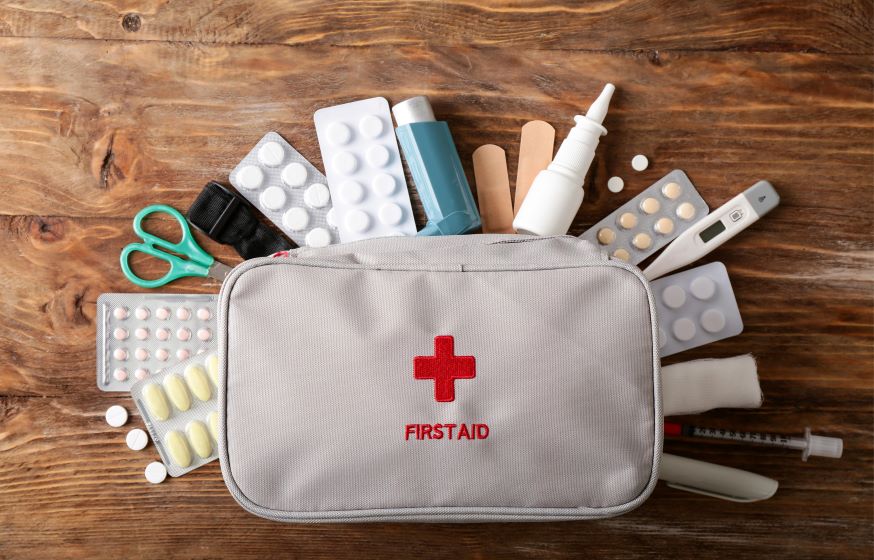
Having a well-stocked first aid kit is all about being prepared for unexpected emergencies that

The Importance of First Aid for Aging Population: As we age, our bodies become more susceptible to injury and illness.
The Role of First Aid in Disaster Preparedness: Natural disasters can strike anytime, anywhere, and often without warning.
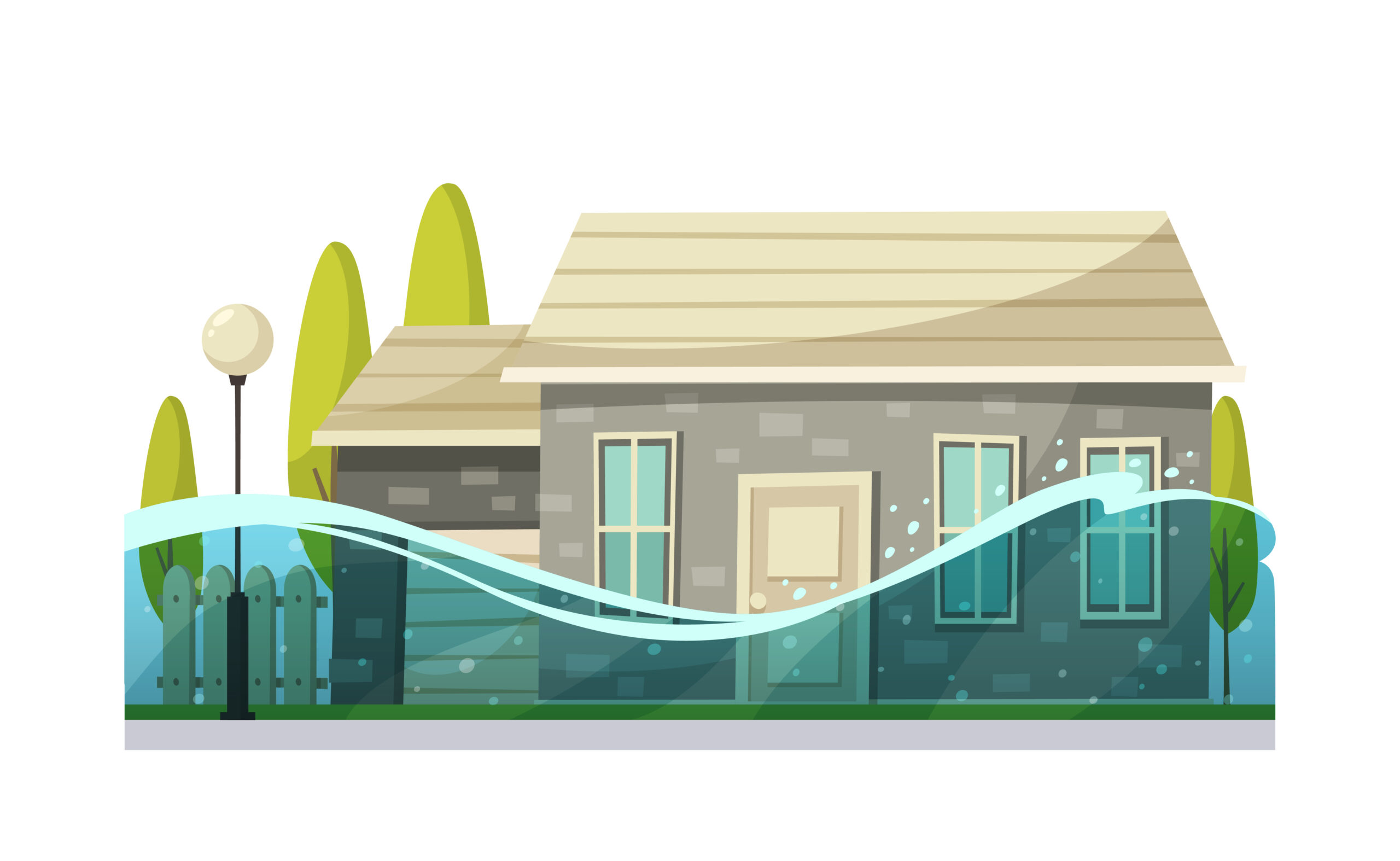
First aid guide on flood preparedness: Flood ranks the second most deadly natural disaster in Australia after heatwaves.
8 Workshop Hazards: Workshops are hazardous environments that pose many risks to workers.